
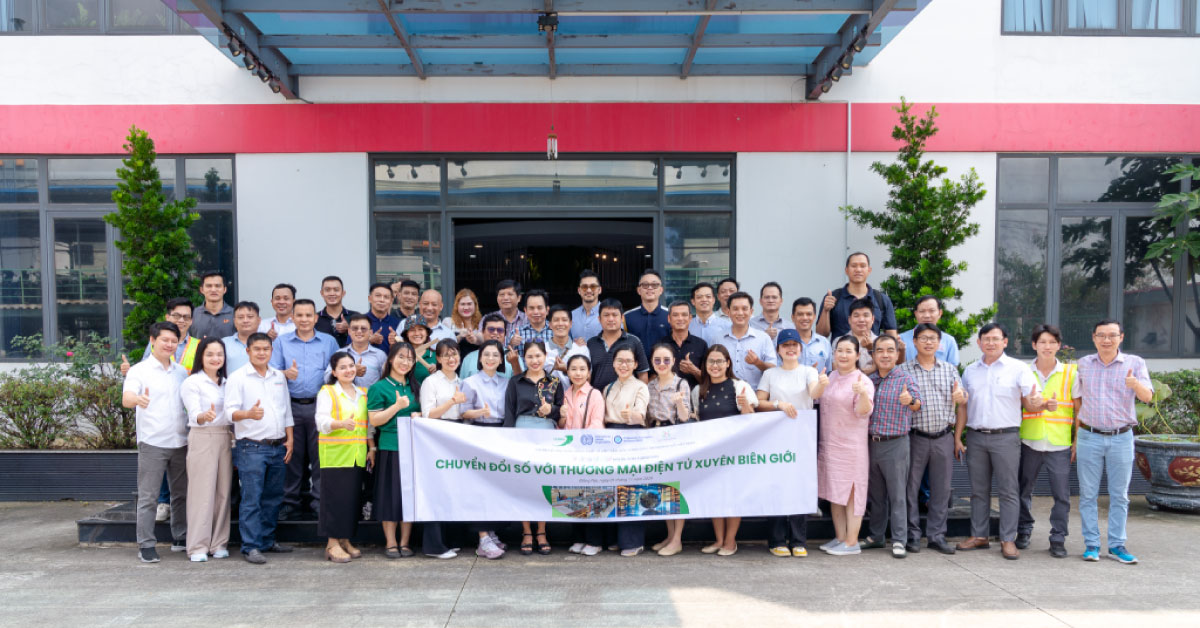
On 1 November 2024, more than 40 HAWA member enterprises visited Nghia Son Furniture Company’s factory to discuss digital transformation and furniture e-commerce. HAWA was represented by Mr. To Ngoc Ngoi, Vice Chairman, Mr. Pham Chan Quang, Vice Chairman, and other Executive Committee members.
The Scale of the Furniture E-Commerce Opportunity
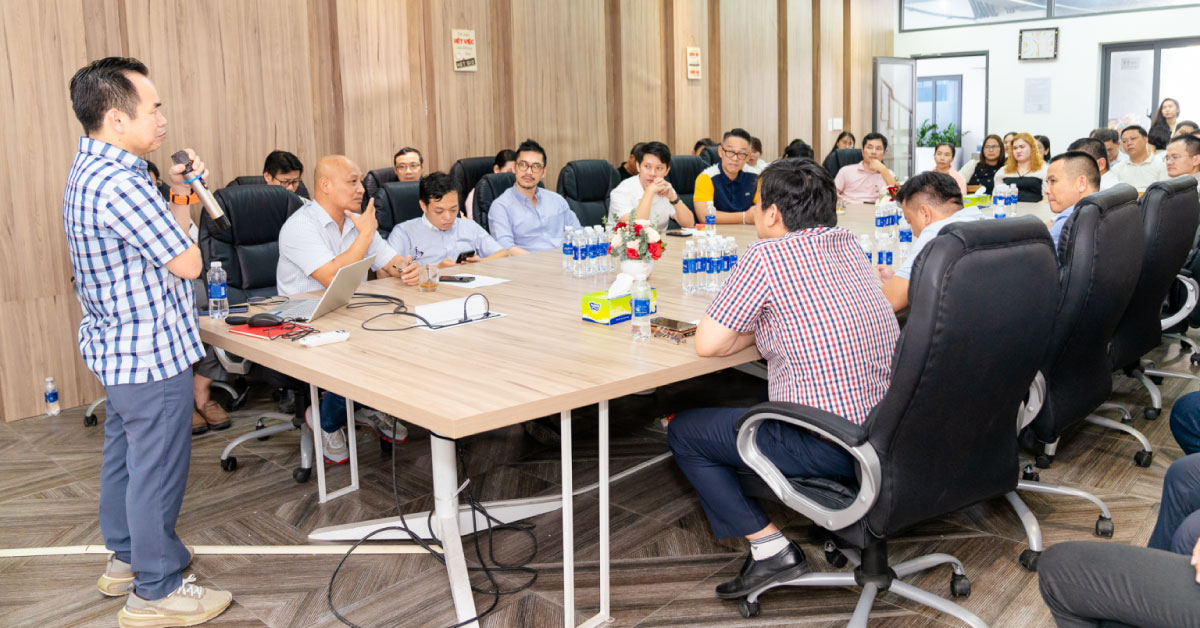
Mr. Huynh Le Dai Thang, Director of Nghia Son, shared that according to the latest report from Amazon Global Selling, the e-commerce segment of the interior and exterior furniture industry in the US is growing by more than 30% per year and was expected to reach 165 billion USD in 2024. This is a significant opportunity for businesses in the industry to invest in digital transformation and exploit that potential.
Nghia Son has years of experience cooperating with major international e-commerce partners such as Wayfair, Amazon and Alibaba. The company has offices and five warehouses in the US, ensuring delivery within 48 hours of an order being placed.
The 48-hour figure is the part that most surprises manufacturers hearing it for the first time. It cannot be met from Vietnam by any shipping method, which means the inventory has to already be in the destination country when the customer clicks buy. Furniture e-commerce is therefore not a sales channel bolted onto an existing factory; it is a decision to hold stock abroad, with the working capital and forecasting risk that carries.
Building the Team Behind Furniture E-Commerce
Sharing his experience of implementing e-commerce activities, Mr. Thang emphasised the importance of building a professional team. At Nghia Son the e-commerce department is organised into five main functions:
- product management
- account management
- logistics and customer service
- planning and sourcing
- marketing and IT
That structure is worth reading closely, because it is where most transformation attempts stall. None of the five functions exists in a conventional OEM factory. A manufacturer working to a buyer’s purchase order does not need account managers for marketplaces, does not run its own customer service, and does not forecast demand because the buyer does that for it. Moving to direct selling means creating each of these capabilities from nothing, and hiring for them competes with every other digital business in the country.
Nghia Son’s spirit of innovation in responding to the digital age is offered as an example for other businesses in the industry approaching their own transformation.
Related reading
- Nghia Son Furniture and Its Direct-to-Consumer Strategy for Exporting Wooden Furniture to the U.S. Market
- Environmental Compliance Report 2023-2024: CO2 Emissions and Wastewater Results at Nghia Son Factories
- Furniture Export via E-commerce: The Strategic Direction of Nghia Son Furniture
- Exporting Through E-Commerce: A New Opportunity for Vietnamese Businesses to Eliminate Middlemen and Expand Globally
- Mr. Huynh Le Dai Thang – Director of Nghia Son Furniture Company Limited: B2C with linkage strategy
- Long Hai – Ba Ria Vung Tau Trip 2025: A Meaningful Journey Of Unity Organized By Nghia Son Company
What a Factory Visit Adds That a Presentation Cannot
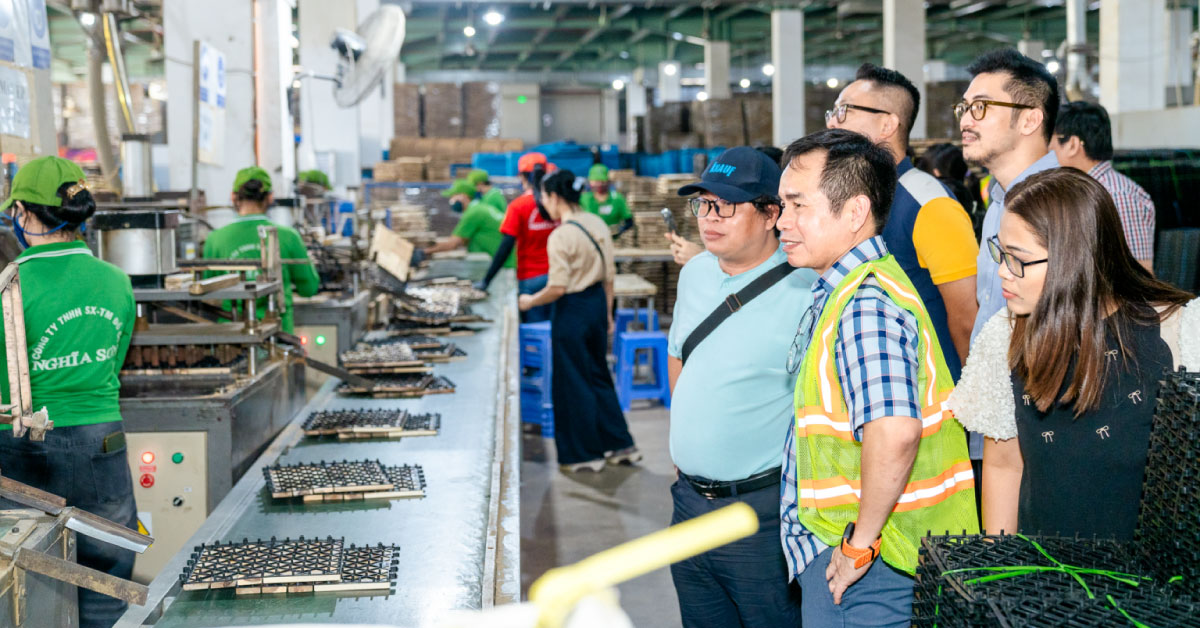
The format of this event matters as much as its content. Forty manufacturers walking a production floor can see how packaging lines, quality control and order staging are arranged to serve individual parcels rather than containers, which is a different physical layout from conventional export work.
It also changes the questions asked. A presentation invites agreement or disagreement about a forecast; a factory floor invites specific questions about carton sizes, damage rates, staffing ratios and how returns are received back into stock. Those are the questions that decide whether a transformation plan survives its first quarter, and they are rarely asked in a conference room.
For an industry where most members are small and medium-sized enterprises, that visibility lowers the perceived risk of transformation more effectively than a market forecast does. The 165 billion USD number explains why the opportunity is worth pursuing; seeing a working operation explains whether it is achievable at a comparable scale of business.
The visit format has since become part of how the association shares operating knowledge. Rather than each member negotiating the same learning curve privately, one company’s working system becomes a reference point that others can measure their own plans against. For furniture e-commerce specifically, where the expensive mistakes are made in inventory placement and packaging rather than in listing copy, that shared reference saves more money than any single piece of advice.
Frequently Asked Questions
More than 30% per year according to Amazon Global Selling, with the interior and exterior furniture segment expected to reach 165 billion USD in 2024.
Wayfair, Amazon and Alibaba among other international e-commerce partners, supported by offices and five warehouses in the United States.
It is not shipped from Vietnam. Stock is held in US warehouses before the order arrives, so the delivery clock starts from local inventory rather than from the factory.
It is possible but not cheap. The binding constraints are working capital tied up in overseas inventory and the cost of building marketplace, service and forecasting functions that an OEM factory has never needed. Starting with a narrow product range in one market keeps both within reach.
Five functions: product management, account management, logistics and customer service, planning and sourcing, and marketing and IT. None of these exists in a conventional OEM manufacturing setup, so each has to be built.
Source: hawa.vn