
Furniture export via e-commerce has moved from experiment to core channel. In the context of rapidly evolving global trade, the wooden furniture industry, traditionally dependent on intermediaries, is finding that the Direct-to-Consumer (D2C) model opens significant growth opportunities.
For Nghia Son Furniture, this is not just a trend but a core strategy to enhance product value, build an international brand and optimise profit margins.
Furniture Export via E-Commerce as an Inevitable Trend
The rapid development of global e-commerce platforms such as Amazon, Wayfair and Walmart has fundamentally transformed how businesses access international markets. Instead of relying on multiple intermediaries, companies can now:
- Sell directly to end consumers
- Control pricing and brand positioning
- Access real-time customer data
- Optimise operational costs and improve margins
Eliminating intermediaries allows businesses to retain a greater share of the value chain, which was previously captured by overseas distributors.

Cross-border e-commerce, an inevitable trend in modern export
Limitations of the Traditional Export Model
For many years, Vietnam’s wood furniture industry has relied on OEM manufacturing, export through importers and distributors, and dependence on foreign brands.
Key challenges
- Low profit margins
- Lack of brand ownership
- High dependency on international partners
- Limited direct access to end consumers
These limitations have prevented many capable manufacturers from establishing a strong global presence.
Nghia Son Furniture: Transitioning From OEM to D2C
Recognising market shifts, Nghia Son Furniture has proactively transformed its business model from traditional exporting to cross-border e-commerce.
Core strategy
- Direct-to-consumer sales
- Building its own international brand
- Reducing reliance on intermediaries
This transition enables Nghia Son not only to increase revenue but to gain greater control over product value and brand identity. Furniture export via e-commerce becomes, in this model, the channel through which design and brand decisions reach the buyer unfiltered.
Leveraging Global E-commerce Platforms
Nghia Son Furniture has expanded its presence across major platforms including Amazon, Wayfair and Walmart.
Key benefits
- Access to millions of global customers
- Increased brand visibility
- Faster market feedback loops
- More effective marketing optimisation
These platforms allow the company to validate products quickly and adapt to evolving consumer preferences.

Leveraging global e-commerce platforms
Building a Logistics System in the U.S. Market
One of the key success factors is investment in logistics infrastructure in the United States: establishing warehouse systems, reducing delivery times to approximately 48 hours, and optimising international shipping costs. This significantly enhances customer experience and enables the company to compete directly with local brands.
Related reading
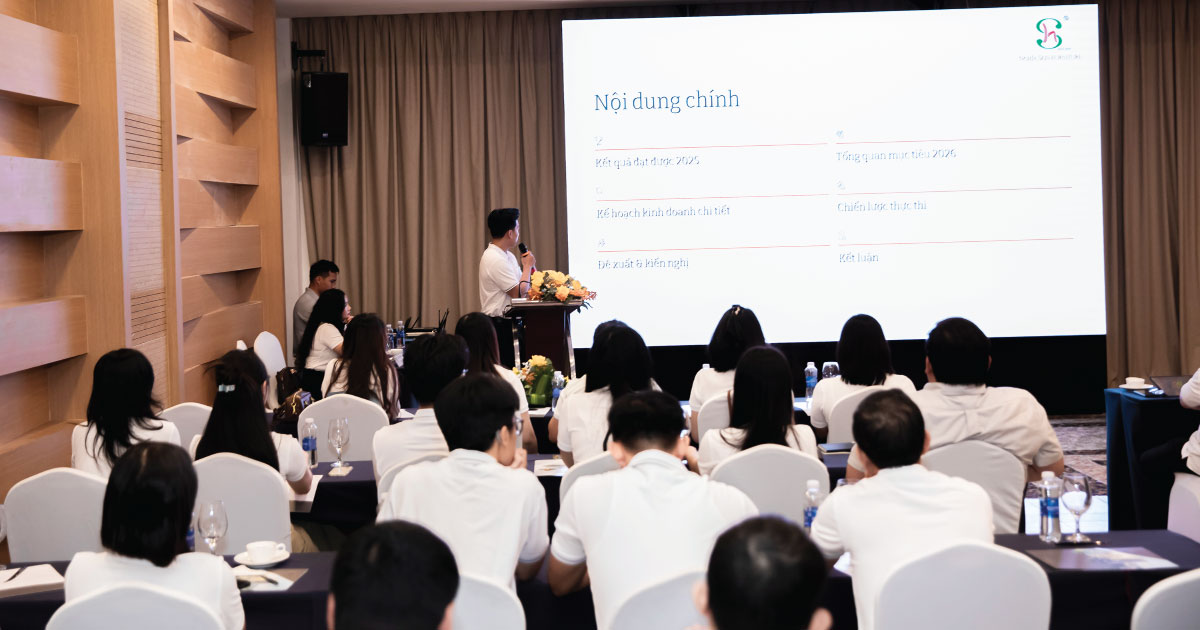
- Nghia Son Aligns Strategy at Kick-off Business Plan 2026
- Mr. Huynh Le Dai Thang – Director of Nghia Son Furniture Company Limited: B2C with linkage strategy
- Environmental Compliance Report 2023-2024: CO2 Emissions and Wastewater Results at Nghia Son Factories
- Long Hai – Ba Ria Vung Tau Trip 2025: A Meaningful Journey Of Unity Organized By Nghia Son Company
- Seize the opportunity of digital transformation with furniture e-commerce through Nghia Son’s experience
- Nghia Son Furniture and Its Direct-to-Consumer Strategy for Exporting Wooden Furniture to the U.S. Market
Product Optimisation for E-commerce
Unlike traditional retail, e-commerce requires products designed with logistics and online purchasing behaviour in mind.
Design trends
- Flat-pack, ready-to-assemble designs
- Compact packaging
- Easy international shipping
- Simple at-home assembly
Benefits
- Lower shipping costs
- Reduced return rates
- Improved customer satisfaction
Nghia Son Furniture has adapted by redesigning products and optimising packaging according to international standards.
Where Furniture Export via E-Commerce Actually Wins or Loses
The margin gained by removing a distributor is real, but it is not free. It is spent on three things the distributor used to pay for: returns handling, inventory held close to the customer, and customer service in the buyer’s time zone. A furniture return costs freight twice and often arrives unsellable, so return rate is the single number that decides whether the model works.
This is why flat-pack design and packaging engineering appear in the strategy alongside branding. They are not aesthetic decisions. A carton that survives parcel handling and assembles without a service call protects the margin that the direct channel created in the first place.
A Major Opportunity for Vietnam’s Furniture Industry
Global e-commerce continues to grow rapidly, accounting for an increasing share of total retail sales. For Vietnamese businesses this means easier access to global customers, the ability to build independent brands and higher profit margins.
Stable raw material supply
Plantation timber supports cost control and continuity of supply.
Skilled workforce
Vietnam has a highly experienced labour force in wood manufacturing.
High adaptability
Businesses can quickly respond to market changes.
Strategic position in the supply chain
Vietnam is becoming a global manufacturing hub for furniture.
Nghia Son Furniture as a Model of Transformation
From a traditional manufacturer, Nghia Son Furniture has integrated into the global supply chain, built its own brand, expanded direct sales channels and developed distribution systems in the U.S. This demonstrates that Vietnamese companies can compete globally without relying on low-price strategies.
Conclusion
Cross-border e-commerce is ushering in a new era for Vietnam’s wood furniture industry. By eliminating intermediaries, businesses can not only increase profitability but also build sustainable brands. With the right strategy, Nghia Son Furniture exemplifies a clear direction: focus on product value, develop an international brand and leverage the power of e-commerce.
In the long term, this approach will be the key for Vietnam’s furniture industry to strengthen its global position and establish a lasting presence in international markets.
Frequently Asked Questions
It removes importers, wholesalers and overseas distributors from the chain. The manufacturer keeps their margin, sets its own pricing, owns the brand positioning and sees customer data directly, instead of receiving it filtered through a partner.
Amazon, Wayfair and Walmart, supported by its own warehouse system in the United States delivering in approximately 48 hours.
Because the product now travels as a parcel rather than a pallet. Flat-pack construction, compact packaging and simple home assembly lower shipping cost, cut return rates and reduce damage, all of which protect margin on the direct channel.
Absorbing the functions the distributor previously performed: returns handling, inventory held near the customer, and customer service in the buyer’s language and time zone. Return rate is the metric that most often decides whether the transition is profitable.