
A wood furniture value strategy is now the central choice facing Vietnam’s furniture industry. In the context of increasingly intense global competition, manufacturers confront a critical question: should they compete on low prices or on product value?
As Chinese manufacturers continuously introduce low-cost furniture products into the international market, many Vietnamese companies feel pressured and consider lowering prices to stay competitive. However, according to industry experts and market realities, this is not a sustainable strategy. Instead, Vietnamese enterprises should focus on value, design and brand development rather than engaging in a race to the bottom on price.
Within this trend, Nghia Son Furniture stands out as a company pursuing a sustainable growth strategy, focusing on the mid-range segment and cross-border e-commerce.
Why a Wood Furniture Value Strategy Is Needed: Market Pressure
The global furniture market, especially in the United States and Europe, is clearly segmented into different tiers, and each tier rewards a different answer to the price-versus-value question.
Low-end segment, dominated by China
According to analyses from international e-commerce platforms, low-priced furniture products are primarily sourced from China, characterised by:
- the use of materials such as MDF, engineered wood or bamboo
- simple designs and mass production
- very low prices, sometimes ranging from only $100 to $150 per furniture item
For example, a bed frame can be sold for around $119 on e-commerce platforms. (Source: Vietnamnet) This creates significant pressure for Vietnamese companies if they choose to compete directly on price.
High-end segment, a limited market
The premium segment includes products that:
- use high-quality natural wood such as teak and oak
- feature exclusive designs
- can be priced at several thousand USD
However, this segment is relatively small and requires strong design capabilities and brand positioning.
Mid-range segment, the opportunity for Vietnam
Between the low-cost and premium extremes, experts agree that the mid-range segment represents the greatest opportunity for Vietnamese businesses. This segment typically features:
- reasonable pricing
- good quality
- use of natural woods such as acacia, rubberwood and plantation timber
- modern designs aligned with international tastes
This is often referred to as affordable luxury: premium aesthetics at a reasonable price.
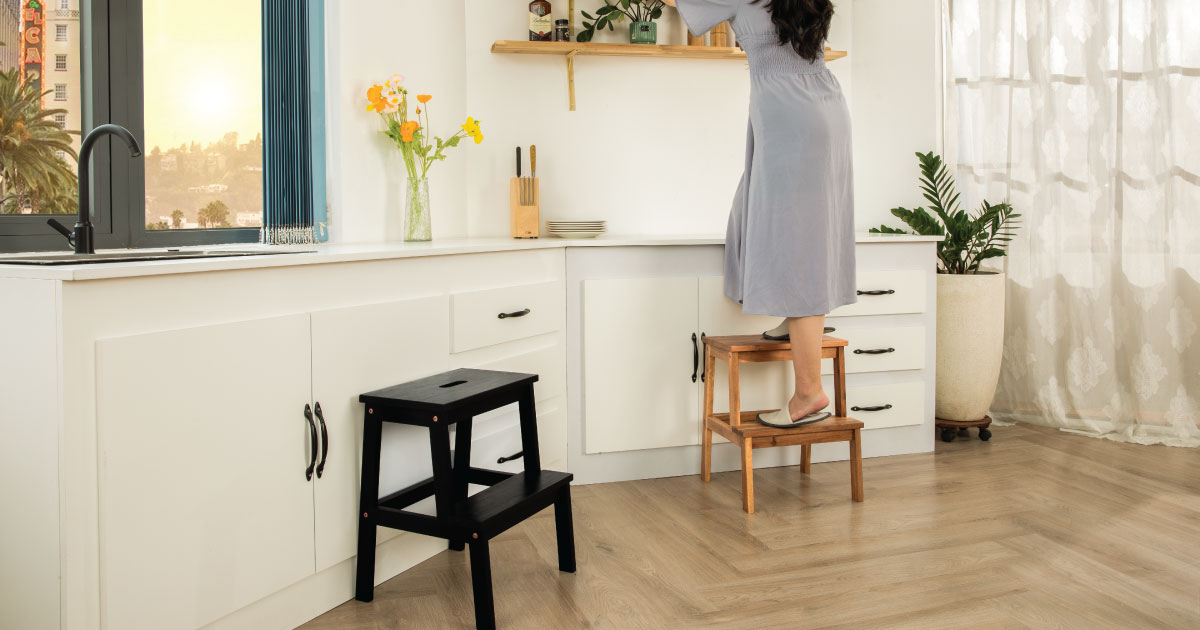
The versatility and functionality of each furniture item are always top priorities for customers
Advantages of Vietnamese enterprises
Vietnam has several advantages to capture this segment:
- abundant plantation timber resources
- skilled labour force
- strong export manufacturing experience
- ability to handle large-scale orders
According to experts, by focusing on the mid-range segment, Vietnamese companies can remain competitive without lowering prices.
Nghia Son Furniture and Its Differentiated Strategy
Nghia Son Furniture has clearly defined its direction: not competing on price, but focusing on product value and target markets. What follows is what a wood furniture value strategy looks like once it stops being a position and becomes an operating model.
Leadership perspective
Mr. Huynh Le Dai Thang, Director of Nghia Son Furniture, shared: “Don’t be afraid just because Chinese products are extremely cheap. Vietnam’s furniture industry will establish a strong position in e-commerce.” (Source: Vietnamnet)
This viewpoint reflects a strategic mindset: avoiding price wars, focusing on value and the right market, and leveraging Vietnam’s particular advantages.
Transition to e-commerce
One of the key differentiators of Nghia Son Furniture is its shift from traditional manufacturing to cross-border e-commerce.
Leveraging global platforms
The company has expanded sales through platforms such as Amazon, Wayfair and Walmart. These channels enable direct access to end consumers, reduced reliance on importers, and enhanced brand value.
Building infrastructure in the U.S. market
After years of implementation, Nghia Son Furniture has developed its own brand, established 6 warehouses in the United States, and reduced delivery time to approximately 48 hours. (Source: Vietnamnet) This is a crucial step in competing with global brands.
Related reading
- Water hyacinth and reed grass bring in billions
- Exporting Through E-Commerce: A New Opportunity for Vietnamese Businesses to Eliminate Middlemen and Expand Globally
- Boosting Exports To Global Distribution Chains
- Wood industry seeks solutions to maintain US market
- Nghia Son Aligns Strategy at Kick-off Business Plan 2026
- Nghia Son Furniture Amid Opportunities and Challenges as Vietnam’s Wood Industry Targets $18.5 Billion in Exports
Optimising Products for E-commerce
A key factor in online furniture sales is designing products optimised for logistics.
New design trends
Products should be flat-pack and easy to assemble, compactly packaged, optimised for international shipping, and user-friendly for home installation. This helps reduce shipping costs, warehousing costs and return rates.
How Nghia Son Furniture adapts
The company has adjusted by aligning designs with international standards, optimising packaging and enhancing user experience. These are key factors for success on global e-commerce platforms.
E-commerce as an Opportunity for Vietnam’s Furniture Industry
According to market data, e-commerce exceeds $6 trillion in 2025, is forecast at approximately $8.9 trillion by 2030, and accounts for over 20% of global retail. (Source: Vietnamnet)
This opens up major opportunities for businesses to reach global customers, build their own brands and increase profit margins. For furniture in particular, traditionally dependent on showrooms and importers, this represents a transformative shift.
The Industry’s Major Challenge: From Outsourcing to Branding
For many years, Vietnam’s wood industry has grown through OEM manufacturing, contract-based exports and dependence on foreign brands.
Limitations of the old model
- low profit margins
- lack of brand ownership
- high dependency on partners
New direction
Experts recommend developing proprietary designs (ODM), building own brands (OBM) and selling directly via e-commerce. Nghia Son Furniture is an example of this transformation.
Long-Term Advantages Behind the Wood Furniture Value Strategy
Even without competing on price, Vietnamese companies hold strong advantages.
Stable raw material supply
Plantation timber ensures cost control and sustainability.
Skilled craftsmanship
Vietnam has a highly skilled workforce in woodworking.
High adaptability
Vietnamese enterprises are flexible in adapting to market changes.
Position in global supply chains
Vietnam is becoming a global furniture manufacturing hub.
Nghia Son Furniture as a model of transformation
From a traditional manufacturer, Nghia Son Furniture has integrated into global supply chains, developed its own brand, expanded direct-to-consumer channels and built distribution infrastructure in the U.S. This demonstrates that Vietnamese companies can compete globally without relying on low-price strategies.
Conclusion: Why a Wood Furniture Value Strategy Holds
In global competition, competing on low prices is not a sustainable strategy for Vietnam’s wooden furniture industry. The right direction is focusing on the mid-range segment, enhancing product value, building proprietary brands and leveraging e-commerce.
Companies like Nghia Son Furniture are moving beyond outsourcing models, building international brands and elevating the global position of Vietnamese furniture. This will be the key for Vietnam’s wood industry to achieve sustainable growth and establish a strong presence on the global trade map.
Frequently Asked Questions
Competing on design, quality, brand ownership and target-market fit rather than on unit price. In practice it means occupying the mid-range segment with natural woods and modern design, instead of matching Chinese MDF products at $100 to $150 per item.
Because the low-end segment is built on MDF, engineered wood and mass production at volumes and cost bases Vietnamese manufacturers cannot match sustainably. Cutting price erodes margin without winning the segment, and it also raises anti-dumping exposure in the US market.
It rewards exactly what Vietnam already has: plantation timber such as acacia and rubberwood, a skilled woodworking workforce, large-order capacity and export manufacturing experience. The premium segment, by contrast, is small and demands established brand positioning.
Selling through Amazon, Wayfair and Walmart removes importers from the chain, which lifts margin and lets a manufacturer build its own brand. Global e-commerce exceeds $6 trillion in 2025 and is forecast near $8.9 trillion by 2030, over 20% of global retail.
Its own brand, six warehouses in the United States, delivery times of approximately 48 hours, and product designs adjusted for flat-pack shipping and home assembly.