
The transformation of Nghia Son Furniture from a traditional export model to direct-to-consumer sales through e-commerce platforms such as Amazon, Wayfair and Walmart.
Direct-to-consumer furniture export is reshaping how Vietnamese manufacturers reach the United States. Amid the rapid transformation of the global wood furniture market, many are shifting from traditional export models to D2C sales via cross-border e-commerce platforms, an approach considered crucial to improving profit margins and achieving more sustainable market expansion.
One of the pioneers in this transformation is Nghia Son Furniture, a long-established wood furniture manufacturer with extensive export experience, now building its own brand in the international market.
Why Direct-to-Consumer Furniture Export Is Gaining Ground
At industry seminars held within international wood and furniture exhibitions, experts emphasise that cross-border e-commerce is opening significant opportunities for Vietnamese enterprises.
By closely monitoring pricing in key markets, investing in product design, developing proprietary brands and selling directly to end consumers, Vietnamese furniture companies can significantly enhance product value instead of remaining in traditional OEM and export-processing segments.
The United States is considered a strategic market. According to market data, the U.S. is currently the world’s largest furniture market, with total consumption reaching approximately $253.8 billion in 2023, and e-commerce accounting for nearly 30% of total furniture sales revenue. (Source: Amazon data)
This highlights the potential for Vietnamese businesses that can leverage online sales platforms effectively.
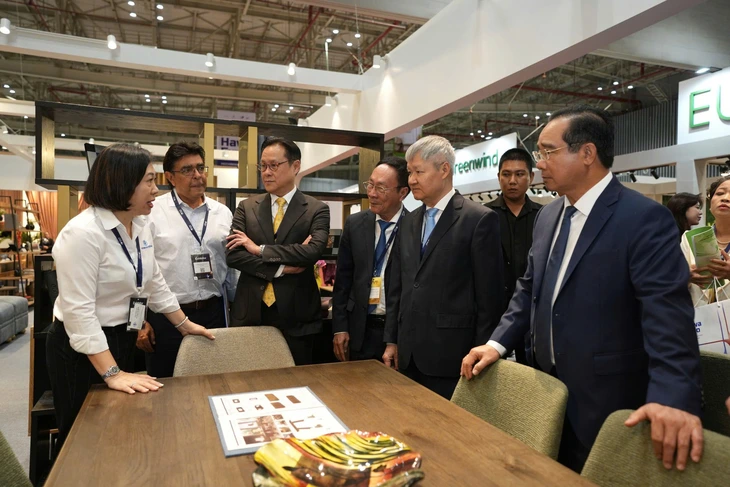
The U.S. market is considered a major opportunity for Vietnamese furniture enterprises. Photo: Tuoi Tre Newspaper
Nghia Son Furniture’s Transition From B2B to B2C
Speaking at an industry seminar, Mr. Huynh Le Dai Thang, Director of Nghia Son Wood Furniture Co., Ltd., shared that the company began shifting toward a direct-to-consumer model during the COVID-19 pandemic.
Instead of relying solely on traditional B2B export channels, Nghia Son proactively developed online sales channels to reach international customers directly. To date, the company has sold its furniture products directly to overseas consumers through several major platforms:
- Amazon
- Wayfair
- Walmart
- The company’s official e-commerce website
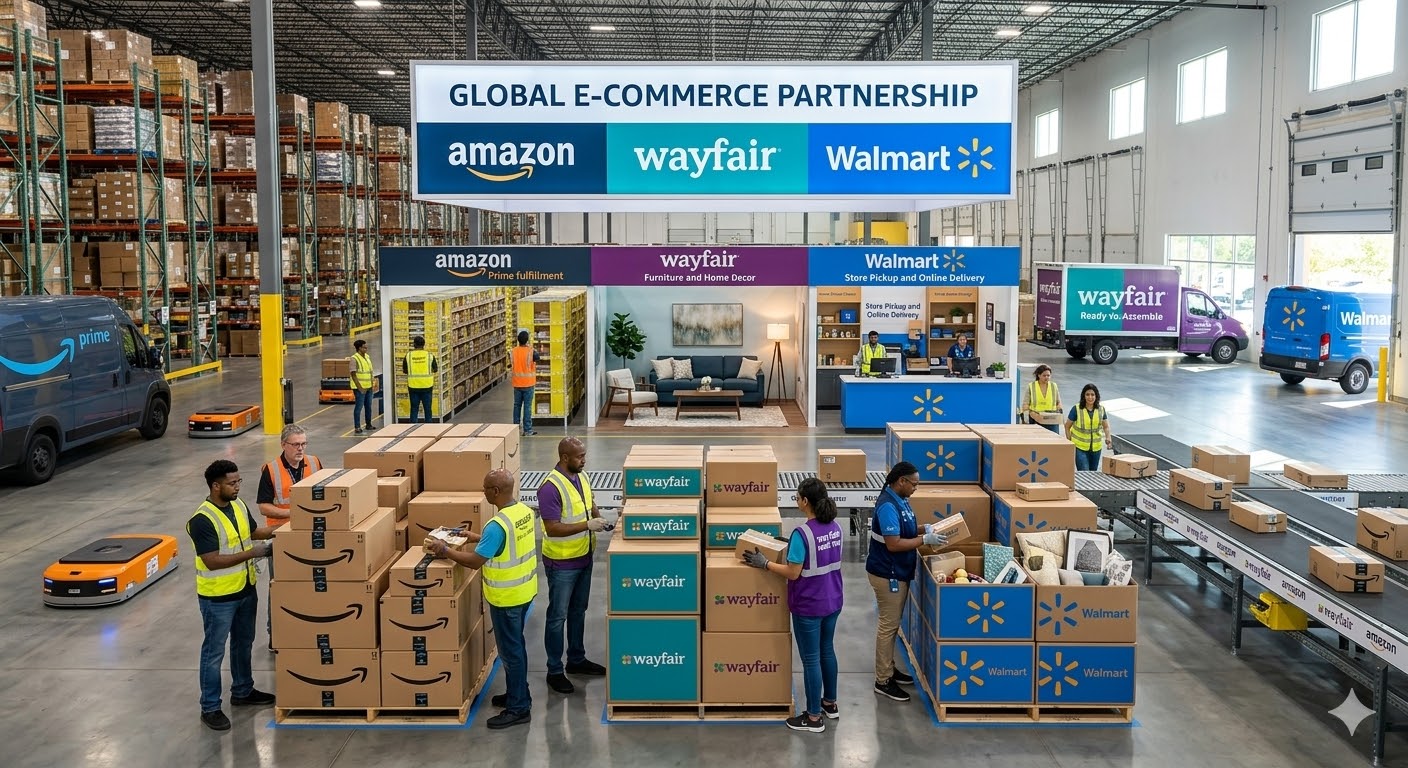
E-commerce has become a fundamental and universal trend across all industries.
Products are marketed under the brand Victory Relax, a proprietary furniture brand developed by the company. This approach enables Nghia Son to reach end consumers directly, enhance product value and profit margins, and reduce dependence on intermediary importers. It is the operating shape that direct-to-consumer furniture export takes once a manufacturer commits to it rather than trialling it.
Challenges in Transitioning to E-commerce
Although the model offers significant opportunities, moving from contract manufacturing to e-commerce is far from simple.
According to Mr. Huynh Le Dai Thang, Vietnamese furniture manufacturers possess strong B2B production capabilities, so shifting to a B2C model presents numerous challenges, especially in the early stages. Common challenges include limited experience in e-commerce operations, rapid changes in technology and sales platforms, and high demands for marketing and brand building.
Businesses therefore need continuous training and regular updates in knowledge and capabilities to adapt to an evolving business environment.
Related reading
- Environmental Compliance Report 2023-2024: CO2 Emissions and Wastewater Results at Nghia Son Factories
- Exporting Through E-Commerce: A New Opportunity for Vietnamese Businesses to Eliminate Middlemen and Expand Globally
- Mr. Huynh Le Dai Thang – Director of Nghia Son Furniture Company Limited: B2C with linkage strategy
- Long Hai – Ba Ria Vung Tau Trip 2025: A Meaningful Journey Of Unity Organized By Nghia Son Company
- HAWA Representative: It is possible that wood products have not been subject to Trump’s reciprocal tariffs
- Wood industry seeks solutions to maintain US market
The Role of Human Resources in Digital Transformation
One of the key factors driving success in e-commerce is a skilled and professional workforce.
According to representatives of Nghia Son Furniture, the company has built a dedicated e-commerce operations team of young professionals with high adaptability and the ability to quickly absorb new technologies. Investment in human resources and technology is considered a crucial step for Vietnamese furniture manufacturers to enhance competitiveness in the global market.
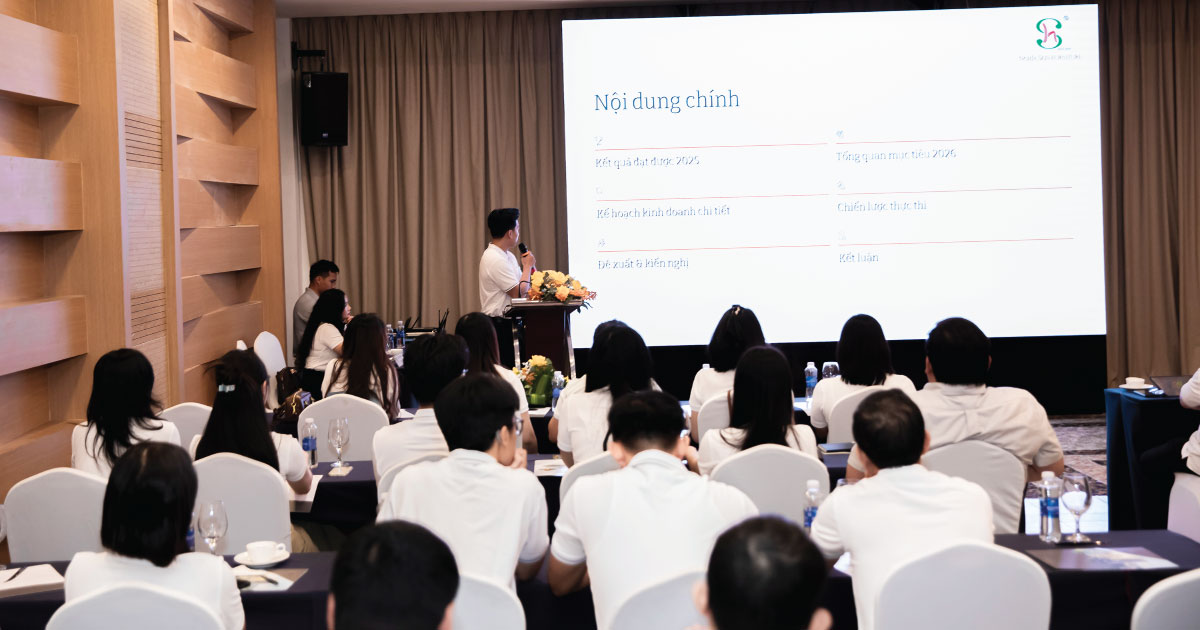
Building a professional workforce aligned with e-commerce operations
Opportunities for Vietnamese Furniture in the U.S. Market
According to industry experts, Vietnamese furniture manufacturers hold strong competitive advantages in the affordable luxury segment, offering high-end aesthetics at reasonable prices. This segment typically includes products that deliver high perceived value, feature modern and appealing designs, and maintain competitive pricing compared with premium brands.
Product categories such as wardrobes, bed frames, bedroom furniture and living room furniture are considered to have strong growth potential on international e-commerce platforms.
To succeed in e-commerce, manufacturers must prioritise designs that are easy to assemble, optimised for shipping and convenient for quick home installation.
What Direct-to-Consumer Furniture Export Requires Beyond a Listing
The gap between listing a product and running a D2C business is where most transitions stall. Three capabilities have to exist before the first order, and none of them belongs to a factory’s traditional skill set.
Inventory has to sit near the customer, because a shopper comparing delivery dates will not wait for an ocean container. Returns have to be handled locally, since sending a damaged wardrobe back across the Pacific costs more than writing it off. Customer service has to answer in the buyer’s language within the buyer’s working hours, which is a hiring decision rather than a software one. A manufacturer that treats the marketplace listing as the whole project discovers these three costs after the first month of sales, not before.
Nghia Son Furniture in the Evolution of Vietnam’s Wood Industry
Nghia Son Furniture’s transition reflects a broader transformation within Vietnam’s wood furniture industry. Instead of focusing solely on industrial production, companies are increasingly building distinct brand identities, investing in product design and innovation, and engaging directly with end consumers. This direction enhances product value and contributes to elevating the global image of Vietnam’s furniture industry.
Conclusion
In the context of rapidly evolving global trade, the shift toward direct-to-consumer sales via e-commerce is increasingly viewed as a strategic move by Vietnamese furniture manufacturers.
With strong manufacturing expertise and a focus on brand development, Nghia Son Furniture is steadily leveraging e-commerce opportunities to expand its market reach and connect directly with international consumers. The transformation of companies like Nghia Son creates new growth opportunities for themselves and strengthens the position of Vietnam’s wood furniture industry on the global trade map.
Frequently Asked Questions
Selling finished furniture straight to overseas end customers through marketplaces or an own-brand website, rather than shipping to an importer or distributor who resells it. The manufacturer keeps the intermediary margin and owns the customer relationship.
Total consumption reached approximately $253.8 billion in 2023, with e-commerce accounting for nearly 30% of furniture sales revenue, according to Amazon data.
During the COVID-19 pandemic. It now sells through Amazon, Wayfair, Walmart and its own e-commerce site, under the Victory Relax brand.
Wardrobes, bed frames, bedroom furniture and living room furniture, particularly in the affordable luxury segment. Designs must be easy to assemble, optimised for shipping and quick to install at home.
Not the listing but the operations behind it: holding inventory close to the customer, handling returns locally, and providing customer service in the buyer’s language and time zone. Marketing and brand-building demands are also far higher than in B2B contract work.